AN INCLUSIVE AND EA AFFILIATED RUNNING CLUB
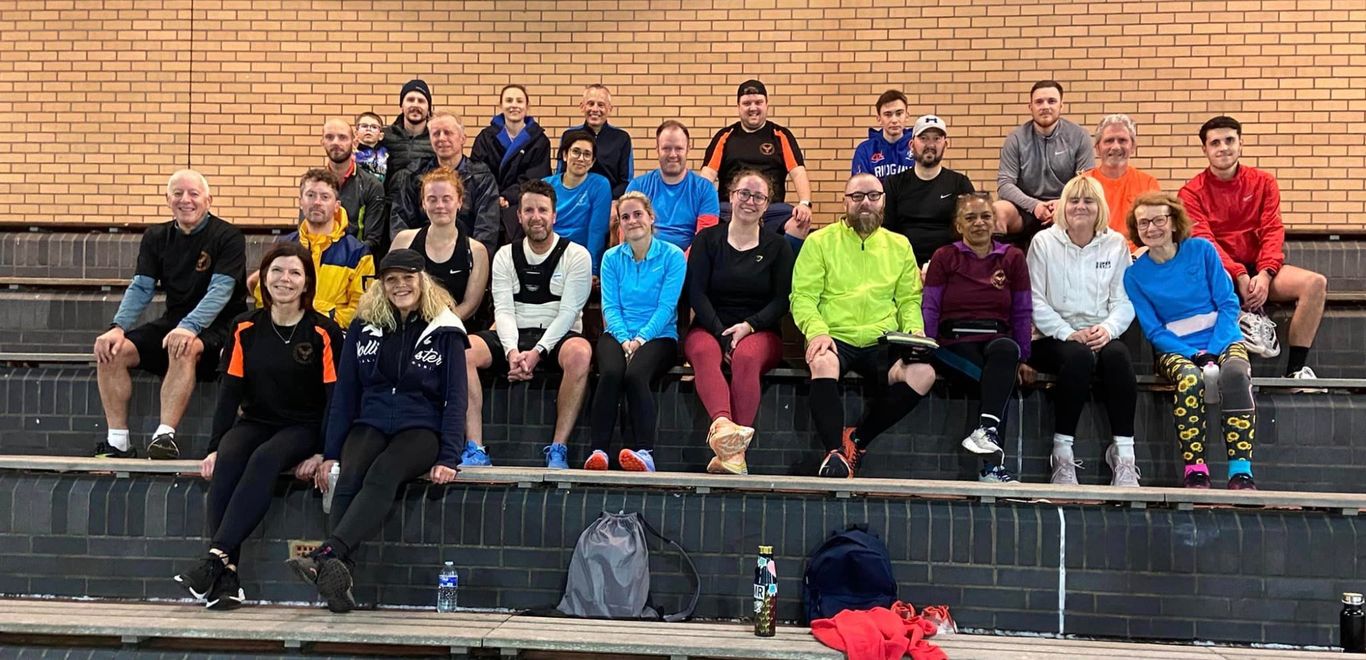
Our weekday training sessions on Tuesday and Thursday start at 6:45pm until 8pm. On Sundays we usually meet at 8:15am for a 5k/longer social run.
Members are kept up-to-date via our planner app, TeamUp and are asked to sign up in advance so we know who's coming.
Our training sessions use a combination of traditional interval training, fartlek runs and steady/tempo training. We run a number of different types of session. They are designed so that anyone who can run at least 5km can take part.
We use the cycleway network within Stevenage. These give us safer routes to run on and avoid cars and other traffic. Some of our training sessions, particularly on Sundays, will take advantage of the wonderful trails and countryside surrounding Stevenage.
Types of training sessions
Fartlek (group) runs.
After a proper warm-up, we run a series of timed efforts, each followed by a slower recovery. We all regroup during each recovery before starting the next effort. Sessions cover 4.5 to 7 miles, depending on the runners taking part. They usually start and finish at our main meeting point in the car park at St Nicholas Park, Pilgrims Way.
We run these speed endurance sessions in three groups based on ability and pace: Group 1, Group 2 and Group 3. That way every runner is supported and encouraged at the right level. At least one of our run leaders leads each group, and groups are kept to a safe size so that neither runners nor members of the public are put at risk.
Technique focus:
Group 1:
Group 2:
Group 3:
Interval training
Interval sessions develop your running technique and pace, and they build your overall fitness too. They usually take place in a small area and use short, measured efforts, such as 400m. Traditional interval training often uses standing or walking recoveries. At Stevenage Phoenix we use active “roll on/roll off” recoveries instead: you keep moving gently between efforts. It works better, keeps your muscles warm and lowers the risk of injury.
Technique focus:
Hill training
We vary our hill sessions, mixing different gradients and lengths. Hill training improves your technique, speed and strength. Short sprints up steep hills also build neuromuscular technique, which means better coordination between your brain and your muscles. Hill sessions can be tough, so we recommend joining them once you’re comfortably running 5km or more.
Technique focus:
Tempo sessions and steady running
Steady and threshold runs improve your aerobic fitness. We run them in groups, usually with runners of similar ability. The focus is on the group understanding its pace and controlling it, so that we use aerobic energy, not anaerobic energy.
Technique focus:
Track sessions
During the summer months we hold track training on the grass track at Barnwell school. These sessions focus on running technique as well as speed using running drills and a variety of workouts.
Sunday runs
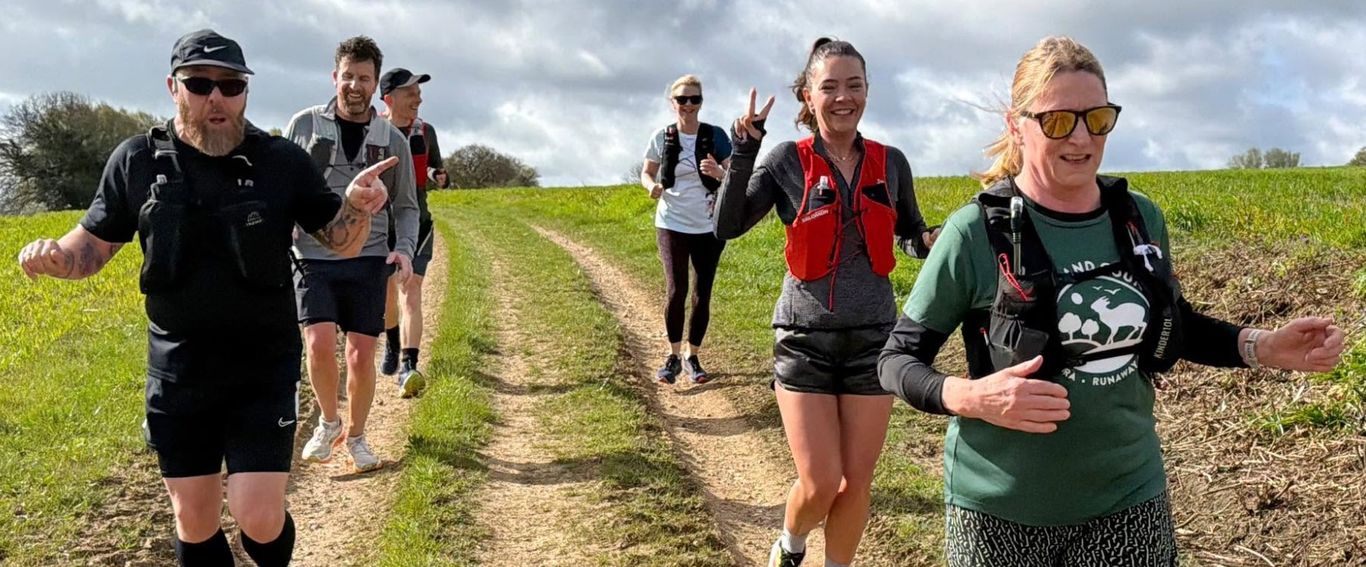
Our Sunday morning runs are a great excuse to explore the countryside around Stevenage. We vary our routes and starting points, and distances run from 5 miles up to 12 miles. The pace is slower and more relaxed. It builds your aerobic fitness and overall endurance, and there’s plenty of time to chat along the way.
During marathon training periods, separate groups may run longer distances as part of their training plans. That way, runners preparing for a marathon can build up their mileage safely with the support of others.
Technique focus:

All of our training sessions are powered by the Team Up app. This gives all of our members easy access to our training sessions and club activities from their desktop or mobile device. Members can download the app to their mobile device and copy in the URL that is given to them when they join the club. They can then see everything that is going on in the club at the click of a button!
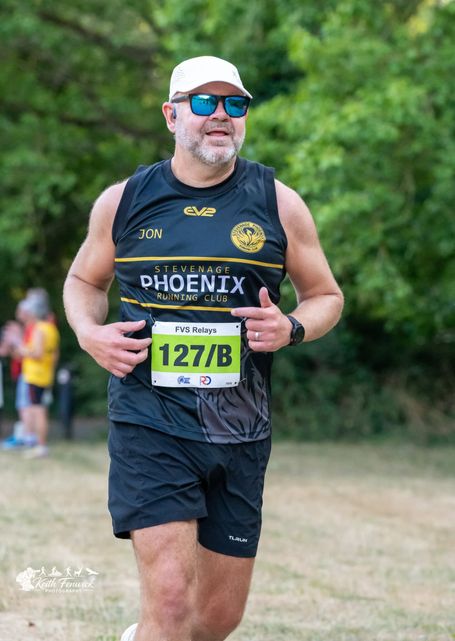
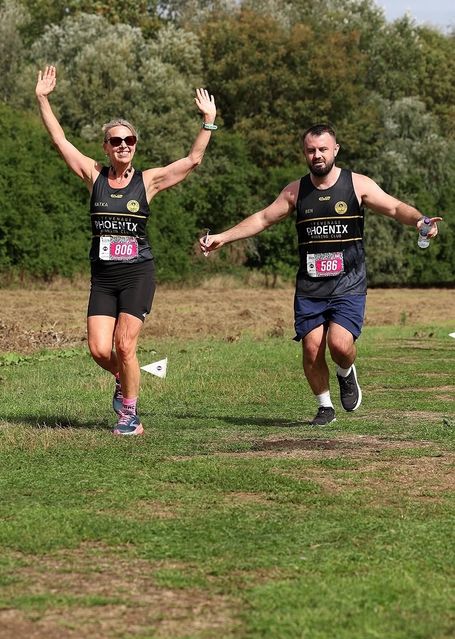
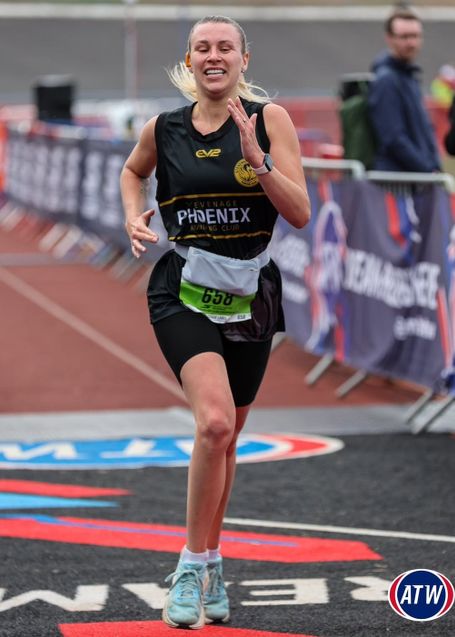
We know that races can be a little daunting for many so we help by preparing members through our training programme and also by being there with them at a variety of local races. Whilst Parkrun is not a race, it is a great way to get used to running with hundreds of other runners and the joy that can bring with running. We therefore encourage runners to take part in Parkrun at a variety of local venues.
Moving up from 5k to marathon distance can also be part of a runner‘s objectives and our coach and run leaders have a huge range of experience of the ups and downs in racing. You can tap in to that experience to help your own running and racing.
We need your consent to load the translations
We use a third-party service to translate the website content that may collect data about your activity. Please review the details in the privacy policy and accept the service to view the translations.